Popular Power in Brazil: What Can We Learn from Indigenous, African, and Peasant Histories of Collective Resistance?
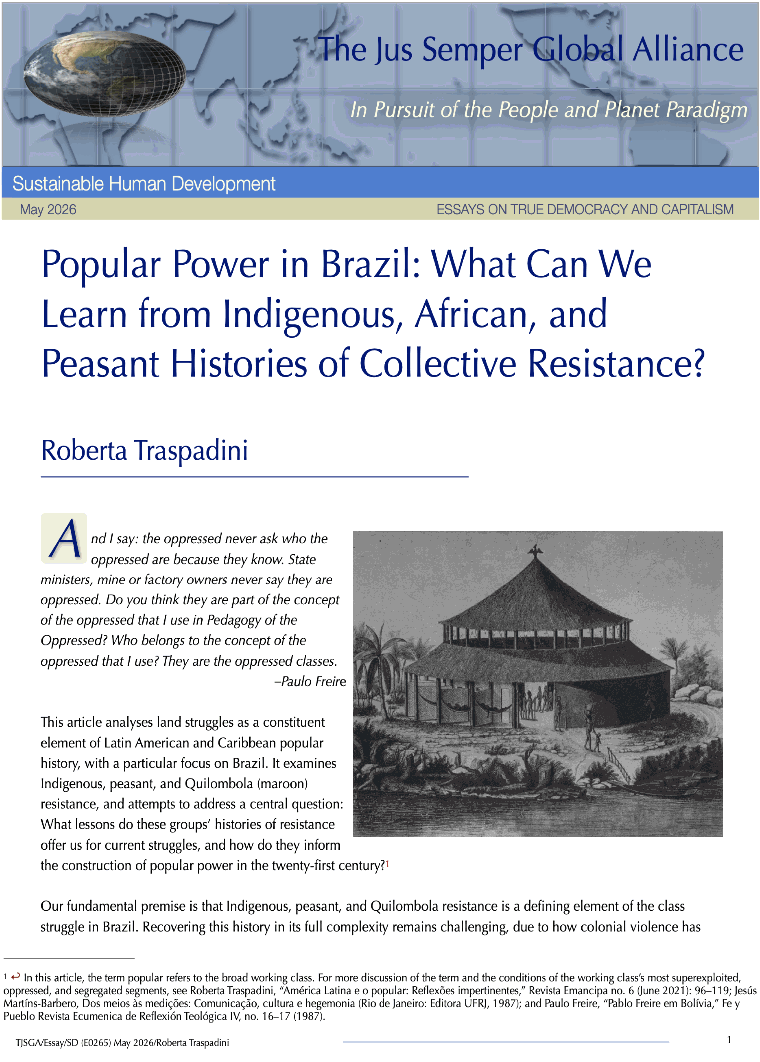
Roberta Traspadini This article analyses land struggles as a constituent element of Latin American and Caribbean popular history, with a particular focus on Brazil. It examines Indigenous, peasant, and Quilombola (maroon) resistance, and attempts to address a central question: What lessons do these groups’ histories of resistance offer us for current struggles, and how do they inform the construction of popular power in the twenty-first century?
For a full read of this brief, click here or on the picture to download the pdf file.
|




- © The Jus Semper Global Alliance
| Home |  | Resources | | Democracy Best Practices | | Popular Power in Brazil: What Can We Learn from Indigenous, African, and Peasant Histories of Collective Resistance? |



